Trauma leaves a mark — on your nervous system, your relationships, and the way you move through the world. At Discover Counseling, we help people reclaim their lives from the grip of traumatic experiences using evidence-based approaches in a safe, paced environment.
Questions? Read our FAQs · View our fees
Trauma doesn’t always look like what you see in movies. Sometimes it’s a single devastating event. Sometimes it’s years of something smaller that accumulated into something that changed you. Either way, the past has a way of living in the present — and that’s not a personal failure. That’s how trauma works.
If any of this sounds familiar, you’re in the right place. Trauma is treatable. With the right support and approach, people recover — more fully than many expect.
Trauma takes many forms. Our clinicians work across a wide range of traumatic experiences without minimizing or pathologizing any of them.
Post-traumatic stress following accidents, violence, loss, disaster, or combat
Prolonged or repeated trauma — chronic abuse, neglect, or difficult childhoods
Early experiences that shaped your nervous system, relationships, and sense of self
Traumatic illness, injury, surgery, or difficult experiences within healthcare
Betrayal, abuse, assault, or experiences that damaged your sense of safety in relationships
Sudden loss, complicated grief, or bereavement that has become overwhelming
We don’t rush trauma work. Our therapists use approaches that are proven to be effective — and that respect the pace your nervous system needs to feel safe enough to heal.
Trauma therapy here isn’t about re-living the past in painful detail. It’s about processing experiences in ways that reduce their grip on your present life, rebuild your sense of safety, and restore your capacity to be fully here.
Eye Movement Desensitization and Reprocessing — highly researched. Helps the brain process stuck traumatic memories without extensive verbal retelling.
A structured, skills-based approach that helps clients understand the connection between trauma, thoughts, feelings, and behaviors — and build practical coping tools.
Works with different “parts” of your inner experience — including the parts that developed to protect you from pain — and helps integrate them toward healing.
A somatic approach that locates body-based trauma processing through eye position. Offered by Rob Huddlestone, Registered Associate, alongside EMDR.
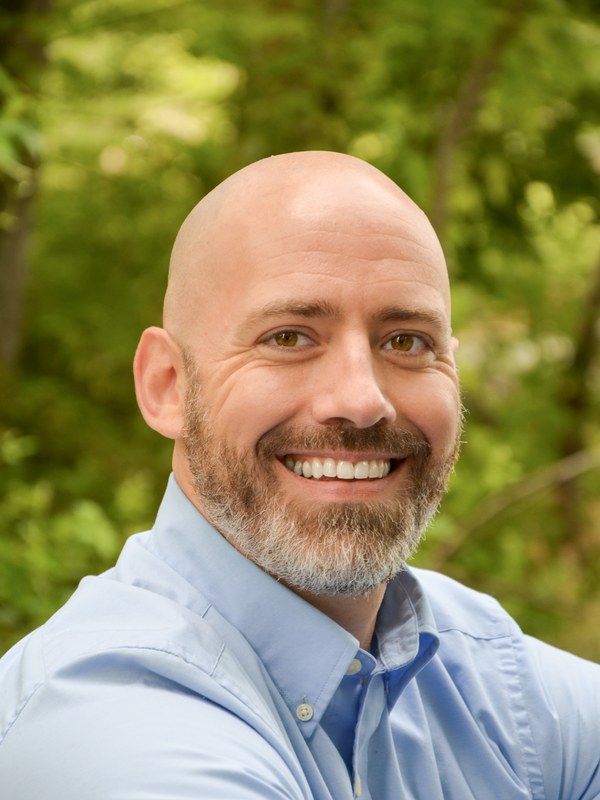
Trauma, PTSD, relationships, anxiety. EMDR, EFT, IFS.

Trauma, PTSD, anxiety, chronic illness. Telehealth across OR & CA.

Trauma, PTSD, grief, depression. 7+ years hospital/TBI background.
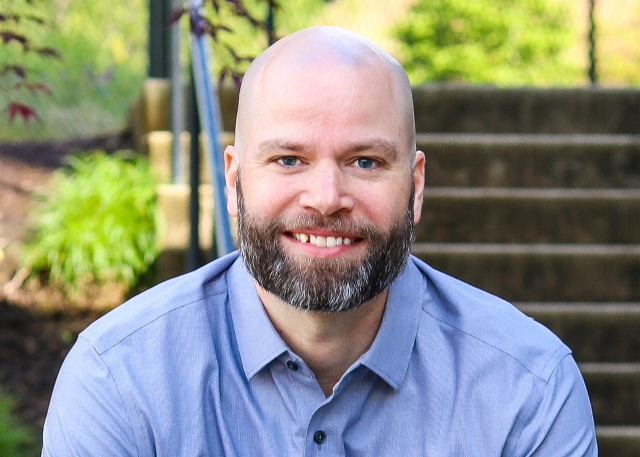
Trauma, anxiety, life transitions. CBT and trauma-informed care.
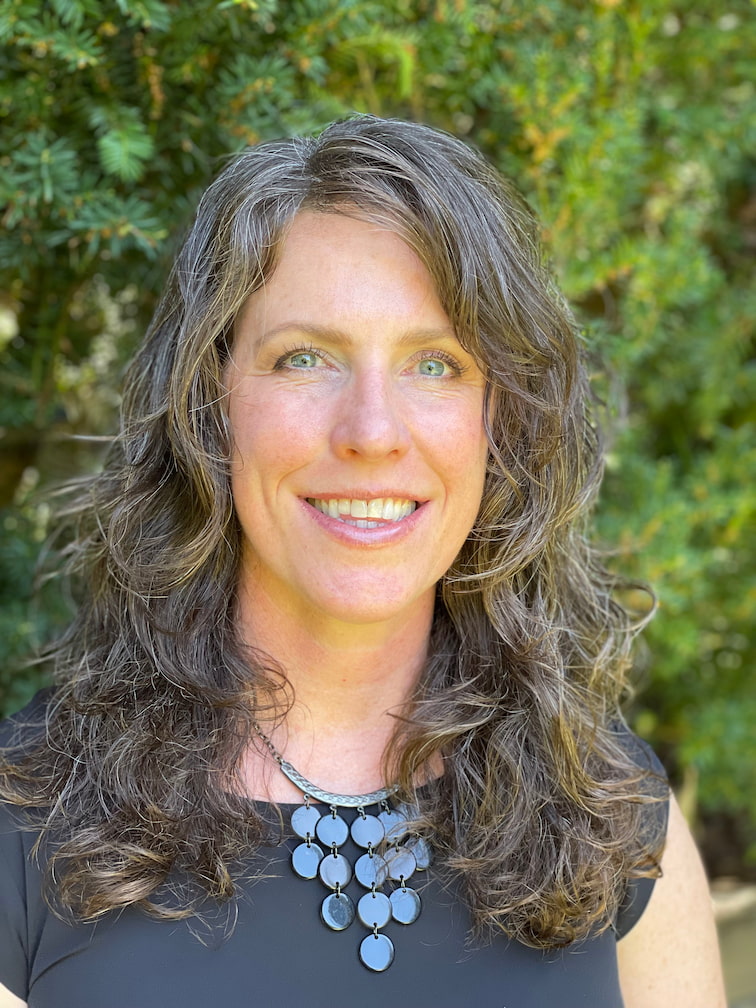
Trauma, codependency, relationship issues. CBT and trauma-informed.

Trauma, life transitions, anxiety. Solution-focused and IFS.

Trauma, PTSD, anxiety. EMDR & Brainspotting trained.

Trauma, attachment, anxiety, grief. Person-centered and trauma-informed.

Trauma, anxiety, sports performance. CBT and trauma-informed care.
These are the questions we hear most often from people considering trauma therapy.
Read all FAQs →Not necessarily — and certainly not before you’re ready. Approaches like EMDR and Brainspotting can process traumatic memories without requiring extensive verbal retelling. Your therapist will always follow your lead on pacing and what feels safe to explore.
You don’t need a diagnosis or a “big enough” story to seek support. If something happened that still affects how you feel, think, or move through the world — that’s enough reason to reach out. Your therapist will help you make sense of your experience, not gatekeep it.
It depends on the nature, severity, and duration of the trauma, as well as your individual history and goals. Some people see meaningful change in 12–20 sessions. Others with complex or developmental trauma may work for longer. Your therapist will discuss realistic expectations with you early on.
Yes. EMDR can be effectively delivered via telehealth using bilateral stimulation adapted for video sessions. Several of our trauma-trained therapists offer telehealth sessions for clients in Oregon and California.
Reaching out doesn’t commit you to anything. We’ll respond within one business day to answer questions and help you find the right therapist.