

Supporting a friend through mental health struggles is a delicate balancing act. It requires empathy, understanding, and a clear sense of boundaries. As friends, we want to be there for the people we care about, but it’s crucial to recognize the limits of our ability to help. Striking the right balance between being supportive and becoming a crutch is essential for both your well-being and that of your friend.
Understanding the Role of a Friend

A supportive friend listens, offers comfort, and encourages their friend to seek professional help when necessary. It’s important to differentiate between being a friend and taking on the role of a therapist. While friends can provide invaluable emotional support, they often lack the training and expertise to address deeper psychological issues.
Being a helpful friend means being there to listen without judgment, offering a shoulder to cry on, and providing practical assistance when needed. However, it also means recognizing when a friend’s needs surpass what you can offer and encouraging them to seek professional help.
The Dangers of Being a Crutch
Becoming a crutch means that your friend relies on you exclusively for their emotional well-being, which can be overwhelming and unsustainable. This dynamic can lead to burnout, resentment, and even harm your own mental health. It can also prevent your friend from seeking the professional help they need, prolonging their struggles.

A crutch might feel indispensable in the short term, but it can ultimately hinder your friend's long-term recovery. By allowing yourself to become their primary support system, you may unintentionally enable them to avoid professional help.
It’s Okay to Say No
It’s essential to remember that setting boundaries doesn’t make you a bad friend. It’s a necessary step to ensure that both you and your friend can maintain your mental health. Saying no doesn’t mean you don’t care; it means you recognize the limits of your capacity to help.
Validating your feelings and understanding that it’s okay to prioritize your well-being is crucial. You cannot pour from an empty cup, and taking care of yourself ensures that you can be a better support to your friend in the long run.
Communicating Boundaries Effectively
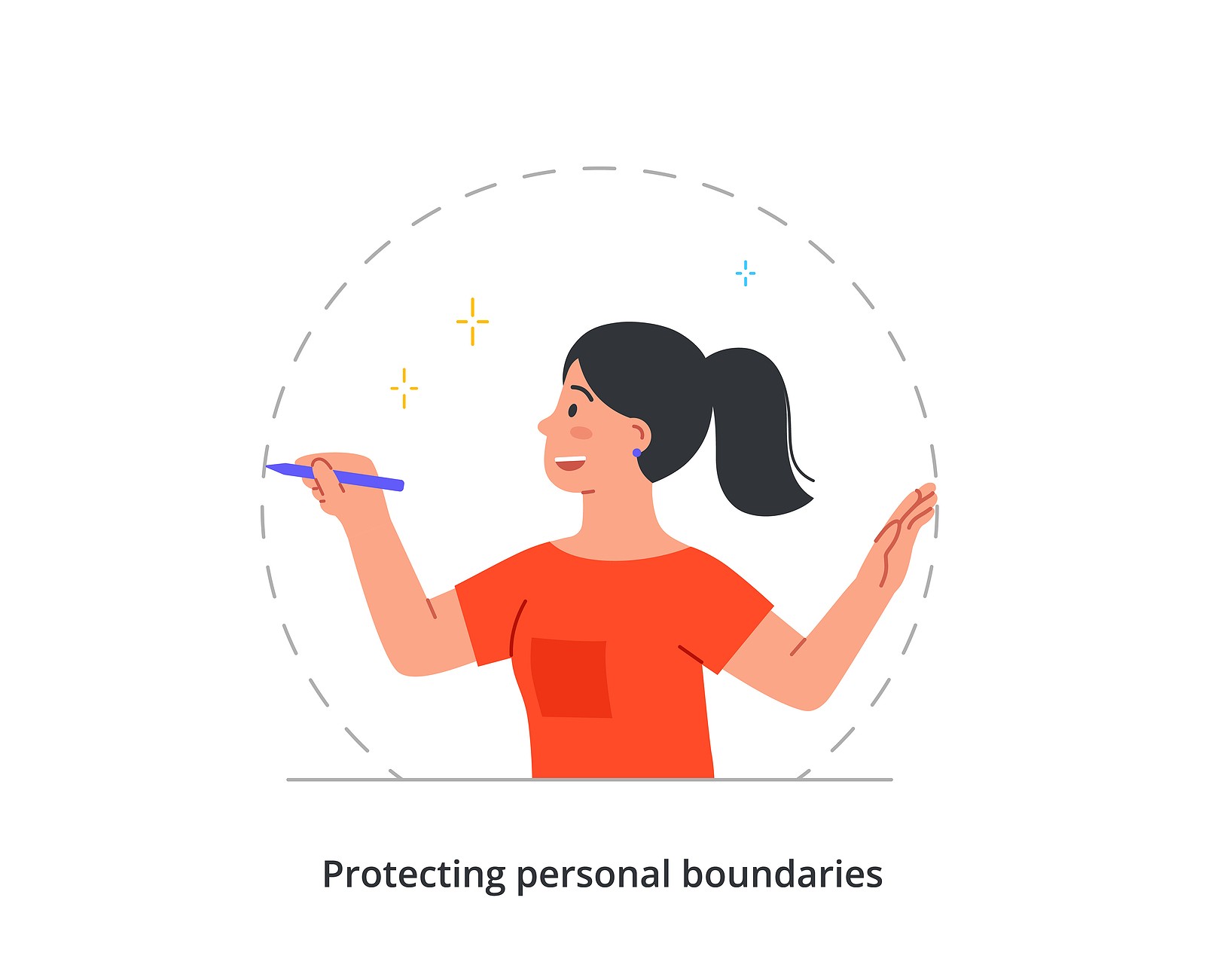
Setting boundaries requires clear and empathetic communication. Here are some tips to help you navigate these conversations:
- Be Honest and Direct: Clearly express your feelings and limitations. Use “I” statements to avoid sounding accusatory. For example, “I feel overwhelmed and need to take some time for myself.”
- Offer Alternatives: Suggest other forms of support, such as encouraging your friend to see a therapist or join a support group. This shows that you care and want them to get the help they need.
- Set Specific Limits: Define what you can and cannot do. For example, “I can listen for a while, but I need to take a break after 30 minutes.”
- Be Consistent: Stick to your boundaries once they are set. Inconsistency can lead to confusion and make it harder for your friend to respect your limits.
- Use Compassionate Language: Ensure your friend understands that your boundaries are about self-care, not a lack of care for them. For example, “I care about you, and I want to make sure I’m there for you in the best way I can be.”
Start Working With a Christian Therapist in Tigard, OR
Supporting a friend with mental health struggles is a compassionate and loving act, but it’s crucial to maintain healthy boundaries from the upfront. By understanding the difference between being a supportive friend and a crutch, and by communicating your limits clearly and empathetically, you can provide meaningful support without compromising your own well-being. Remember, it’s okay to say no, and doing so can ultimately lead to a healthier and more sustainable friendship for both of you. Our team of caring therapists would be happy to offer support in creating healthier boundaries while supporting others. You can start your therapy journey with Discover Counseling by following these simple steps:
- Contact us to speak with a mental health professional at Discover Counseling
- Schedule your first counseling appointment with our team
- Start overcoming the effects of traumatic experiences
Other Services Offered with Discover Counseling
Christian counseling isn't the only service we offer. Our team of caring therapists would be happy to offer support Our caring counselors and therapists offer different types of therapy services to support your needs. This is why we are happy to also offer therapy for anxiety, life transitions, and postpartum support. In addition, we also offer teen therapy, trauma therapy, and codependency treatment. We also offer support for your relationship with premarital, couples, and marriage counseling. Plus individual therapy for relationship problems.
Ready to take the next step?
We'd love to hear from you. Our therapists serve Tigard and the greater Portland area — in person and online across Oregon.
Request an Appointment