

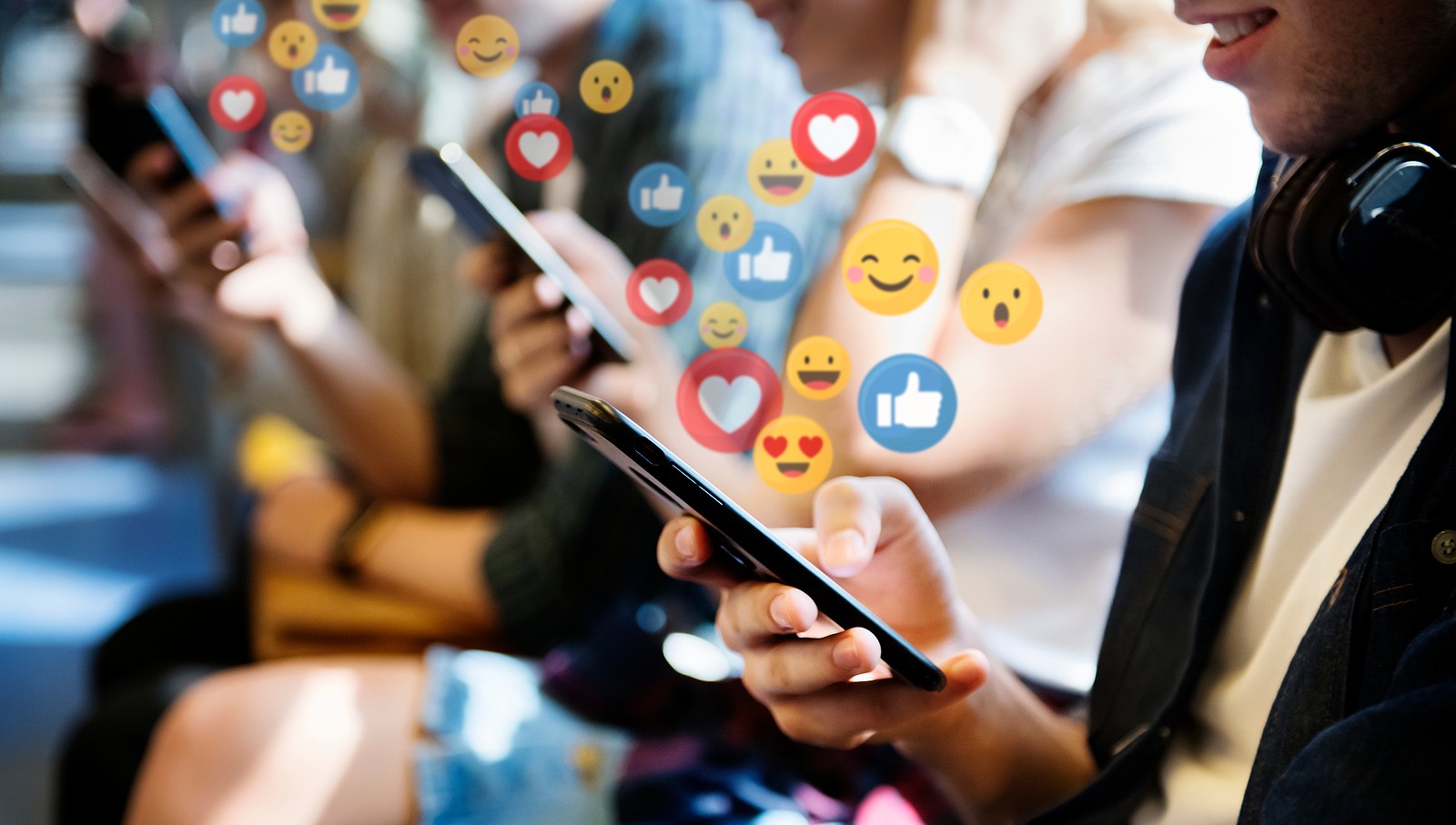
There is no doubt that social media is an integral part of our lives today. It has become a powerful tool for communication, expression, and connection. However, its use carries with it a variety of potential impacts on mental health. Research has found that its use can affect mental health in both positive and negative ways. Benefits include staying connected, building relationships, and increasing feelings of social support.
On the other hand, too much use of it can be detrimental to mental health, leading to feelings of loneliness, depression, anxiety, and decreased self-esteem. It can be difficult to determine if an individual's social media use is having a negative impact on their mental health, especially because it is so enmeshed in our everyday living and lifestyle.
Signs to Look For
It’s important to bring self-awareness to our feelings and behavior patterns around our relationship with social media. A couple of things to pay attention to include:
- Feeling lonely, anxious, discontent, or depressed after spending time on social media
- Withdrawing from activities or relationships outside of a screen
- Spending large amounts of time on it in an effort to escape reality
- Sacrificing sleep to stay online longer
If you find that some of the above feelings or behaviors are true for you, don’t fret! Fortunately, there are ways to adjust how you consume social media so that you enjoy the benefits without succumbing to the negative effects.
Taking Back Control
Each person will have their own specific boundaries to their lives and situations. But there are a few principles to transform your social media consumption from a mindless behavior to an intentional one.
- Be mindful of the amount of time spent and limit it accordingly.
Research shows that the optimal amount of time for peak benefits without suffering the negative impacts hovers around 30 minutes or less per day. Most phones are enabled with a “Screen Limit” feature that will notify you when you’ve reached the limit you’ve preset on certain platforms. This is a great asset for building awareness around your exposure and establishing new boundaries.
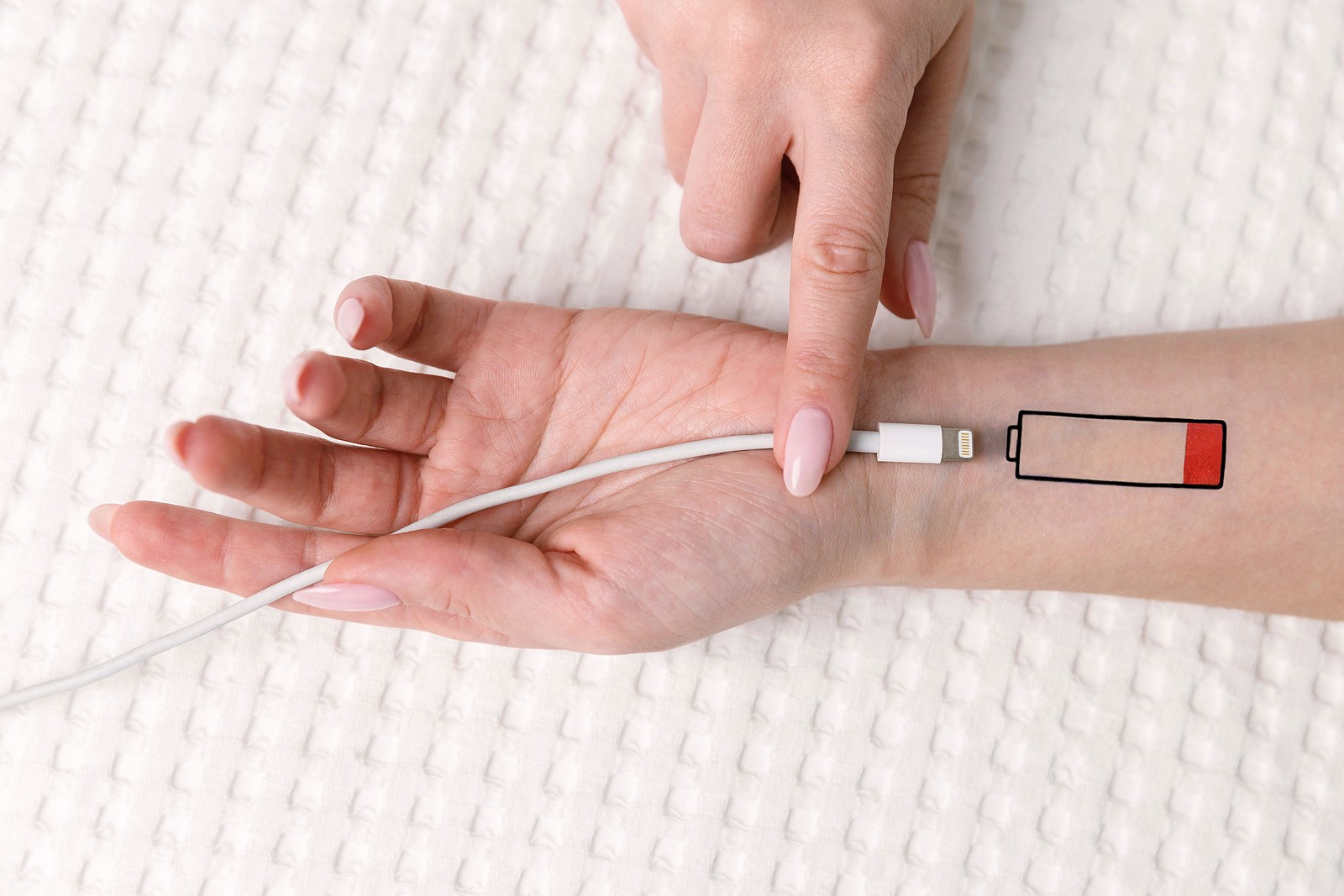
- Be mindful of the type of content that is being consumed, as negative content can be detrimental to mental health
Negative content will be a bit more subjective to each person. Taking inventory of the type of content that triggers you or causes you to feel more dissatisfaction with your own life is crucial to know how to healthily consume social media. For instance, if you struggle with body image, limiting the instagram pages you follow related to fitness may be a boundary for you.
- Engage in healthy activities outside of social media
Face-to-face interactions, hobbies, and physical activities are all a part of a holistic life. Reflect on what your average week looks like to gain perspective on where you may need to incorporate activities outside. Do you spend time with friends? Do you participate in a hobby? Or physical activity?
- Address underlying issues.
If you find that you use social media as an avoidance strategy for underlying issues such as anxiety or depression, get in touch with a therapist who can help you learn to function and move through those symptoms in healthy ways!
It can feel like it’s running your life, instead of you running it. If that feels familiar to you, use the above areas to identify what needs adjusting and take the steps today to reclaim your power!

Begin Working With A Christian Therapist in Tigard, OR
You don't have to struggle with reducing social media use alone. Our team of caring therapists would be happy to offer support from our Tigard, OR-based practice. You can improve your relationship with social media via the support of Discover Counseling by following these simple steps:
- Contact us to speak with a mental health professional at Discover Counseling
- Schedule your first counseling appointment with our team
- Improve your relationship with social media!
Other Counseling Services That We Offer in Tigard, OR
Our caring counselors and therapists offer different types of therapy services to support your needs. This is why we are happy to also offer therapy for anxiety, trauma recovery, life transitions, and postpartum support. In addition, we also offer teen therapy, Christian counseling, and codependency treatment. We also offer support for your relationship with premarital, couples, and marriage counseling. Plus individual therapy for relationship problems.
Ready to take the next step?
We'd love to hear from you. Our therapists serve Tigard and the greater Portland area — in person and online across Oregon.
Request an Appointment