


In the digital age, where social media is a pervasive part of daily life, the line between healthy interaction and unhealthy dependence can blur. The platforms designed to connect us, share our lives, and provide entertainment can also foster behaviors that mirror co-dependency, leading to a complex and often overlooked issue: the intertwining of social media consumption and co-dependency.
What is Co-Dependency?
Co-dependency is a behavioral condition characterized by one person’s excessive reliance on another for emotional support, validation, or a sense of identity. Typically, this term has been associated with relationships where one partner is excessively needy, often leading to an unhealthy imbalance where the co-dependent person neglects their own needs to focus on the needs of others.
However, with the rise of social media, we are entering into new territory where this dynamic is not just limited to personal relationships but can extend to our relationship with the digital world. The platforms we use can become a substitute for the emotional and social needs we traditionally seek from human connections.
The Role of Social Media in Fostering Co-dependent Behavior
Social media platforms are designed to be addictive, capitalizing on human psychology to keep users engaged. Features such as likes, comments, shares, and follower counts serve as digital currency, providing instant gratification and validation. For individuals prone to co-dependent tendencies, this constant need for external validation can be magnified.
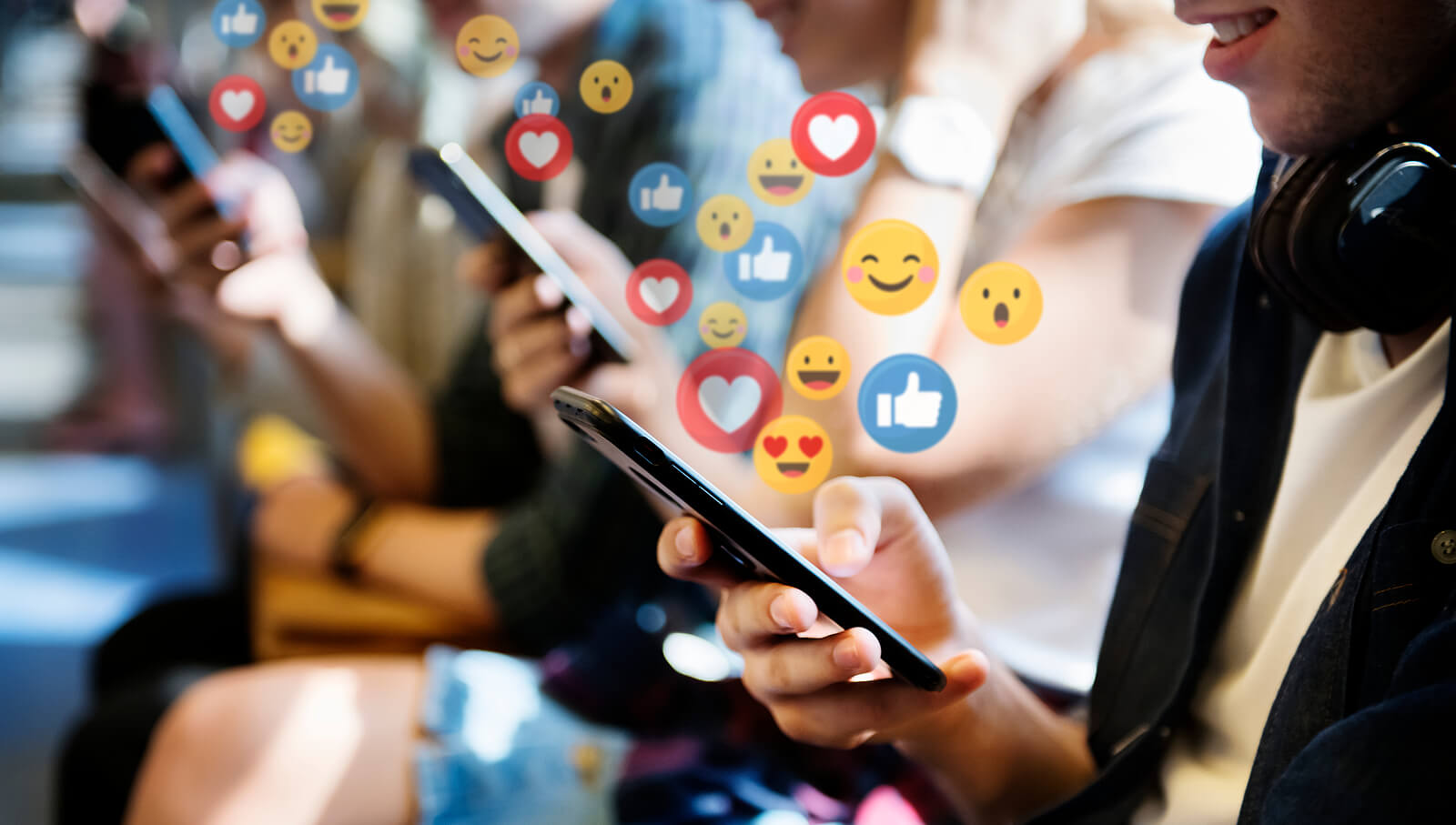
- Validation and Self-Worth: Social media can become a primary source of self-worth for those who are co-dependent. The number of likes or positive comments can heavily influence their self-esteem, creating a dependency on external validation rather than internal self-approval. This can lead to a cycle where individuals post more frequently, not for the sake of sharing genuine experiences, but to seek the validation they crave.
- Fear of Missing Out (FOMO): Co-dependent individuals may also experience heightened anxiety related to the fear of missing out. Social media creates an illusion of constant activity and engagement, making users feel compelled to be online and connected at all times, albeit a pseudo-connection. This can lead to obsessive checking of platforms, an inability to disconnect, and a constant comparison with others.
- Oversharing: In an attempt to seek approval and validation, those with co-dependent tendencies might overshare personal details on social media. This behavior often stems from a need to feel seen, understood, and accepted. However, this oversharing can sometimes backfire, leading to a cycle of regret, shame, and further dependence on the platform for reassurance.
The Impact on Mental Health
The interconnectedness of social media consumption and co-dependency can have profound impacts on mental health. Constantly seeking validation online can lead to anxiety, depression, and a distorted self-image. The pressure to maintain a certain online persona, coupled with the fear of rejection, can exacerbate feelings of inadequacy and worthlessness.
Moreover, the addictive nature of social media can lead to a loss of real-life connections, as individuals may prioritize their online presence over meaningful in-person interactions. This can create a feedback loop, where the more isolated an individual feels, the more they turn to social media for connection, deepening their dependency.
Breaking the Cycle
Understanding the interconnectedness of social media consumption and co-dependency is the first step toward breaking the cycle. Here are some strategies to help manage this relationship:
- Set Boundaries: Establish clear limits on social media usage. This could mean setting specific times of the day for checking social media, turning off notifications, or designating social media-free days.
- Practice Self-Validation: Work on building self-worth independent of social media. This could involve journaling, practicing self-compassion, or seeking validation from within rather than from likes and comments.
- Focus on Real-Life Connections: Make an effort to strengthen in-person relationships. Engaging in meaningful conversations, spending time with loved ones, and participating in offline activities can help reduce the reliance on social media for social interaction.
- Seek Professional Help: If social media consumption and co-dependency are significantly impacting your mental health, consider seeking help from a therapist or counselor. They can provide strategies to manage these behaviors and improve overall well-being.
Whether we like it or not, social media is an integral part of modern life and with it, offers countless benefits in terms of connection, information, and entertainment. However, when it becomes intertwined with co-dependent behaviors, it can have detrimental effects on mental health and well-being.
Start Working With a Codependency Therapist in Tigard, OR
By taking an honest look at our relationship with social media and recognizing the signs of co-dependency and social media consumption we can choose to take proactive steps to address them, cultivating a healthier relationship with the digital world and ourselves. Our team can help you overcome codependency from our Tigard, OR-based practice. Start your therapy journey by following these simple steps:
- Contact us to request an appointment
- Meet with a caring therapist from our team
- Start overcoming codependency!
Other Services Offered with Discover Counseling
Codependency treatment isn't the only service we offer support in addressing. Our team of caring therapists would be happy to offer support Our caring counselors and therapists offer different types of therapy services to support your needs. This is why we are happy to also offer therapy for anxiety, life transitions, and postpartum support. In addition, we also offer teen therapy, Christian counseling, and trauma therapy. We also offer support for your relationship with premarital, couples, and marriage counseling. Plus individual therapy for relationship problems.
Ready to take the next step?
We'd love to hear from you. Our therapists serve Tigard and the greater Portland area — in person and online across Oregon.
Request an Appointment