
Defining Codependency

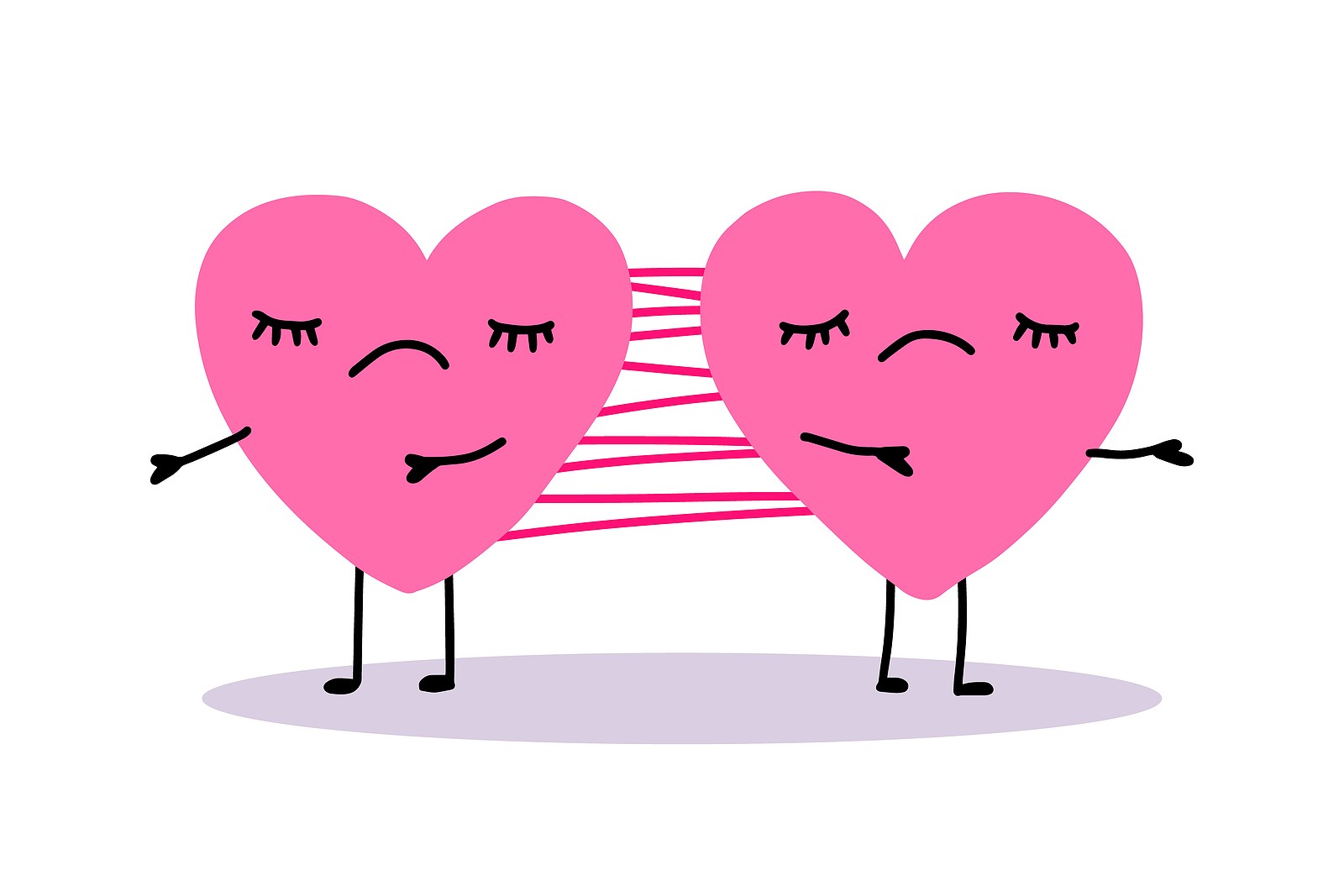
Codependency is a term that has gained popularity in recent years, especially in the realm of mental health. It refers to a pattern of behavior where an individual is excessively reliant on another person, typically a partner or family member, for emotional and/or physical needs. This behavior can have negative consequences on both parties involved and can be difficult to identify, making it important to understand what codependency is and how to recognize its signs.
Characteristics and Signs
Codependency often arises in relationships where one person struggles with addiction or other mental health issues. The codependent person may feel a sense of responsibility for their loved one's well-being, sacrificing their own needs and desires to cater to the other person's demands. They may enable their partner's behavior by providing financial support, covering up their behavior, or ignoring the negative consequences of their actions.
One of the defining characteristics of codependency is the lack of boundaries between the two individuals in the relationship. Codependent individuals may struggle to distinguish their own feelings and needs from those of their partner, leading to a loss of autonomy and self-esteem. They may also experience a fear of abandonment or rejection, causing them to cling to their partner even when the relationship is unhealthy or harmful.
Codependency can manifest in a variety of ways, but some common signs include:

- A strong desire to please others at the expense of one's own needs
- Difficulty saying "no" or setting boundaries
- Low self-esteem and feelings of worthlessness
- A sense of responsibility for the actions and emotions of others
- Intense feelings of guilt or shame
- An excessive need for control or perfectionism
- A tendency to prioritize the needs of others over one's own wellbeing
- Difficulty expressing emotions or vulnerability
- Feeling trapped or stuck in a relationship
Moving Past Codependency
If left unchecked, codependency can lead to a cycle of dysfunction and pain. The codependent person may feel trapped in a relationship where they are constantly sacrificing their own needs for their partner's, leading to resentment, burnout, and feelings of hopelessness. Their partner may become increasingly reliant on them for support, leading to further enabling of dysfunctional behaviors and a lack of personal responsibility.

Fortunately, there are resources available for those struggling with codependency. Therapy, support groups, and self-help techniques can all be effective in breaking the cycle of codependency and establishing healthier boundaries in relationships. It's important to remember that codependency is a learned behavior, and it can be unlearned with time, intention and effort. Reach out to one of our therapists to start your healing journey!
Begin Addressing Codependency Symptoms in Tigard, OR
Your relationship doesn't have to struggle with codependent issues alone. Our team of caring therapists would be happy to offer support from our Tigard, OR-based practice. You can improve your relationship via the support of Discover Counseling by following these simple steps:
- Contact us to speak with a mental health professional at Discover Counseling
- Schedule your first counseling appointment with our team
- Improve the strength of your relationship!
Other Counseling Services That We Offer in Tigard, OR
Our caring counselors and therapists offer different types of therapy services to support your needs. This is why we are happy to also offer therapy for anxiety, trauma recovery, life transitions, and postpartum support. In addition, we also offer teen therapy, Christian counseling, and codependency treatment. We also offer support for your relationship with premarital, couples, and marriage counseling. Plus individual therapy for relationship problems.
Ready to take the next step?
We'd love to hear from you. Our therapists serve Tigard and the greater Portland area — in person and online across Oregon.
Request an Appointment