Narcissistic abuse is disorienting. You may have spent years doubting yourself, walking on eggshells, or wondering if you were the problem. You weren’t. Our therapists help people understand what happened, reclaim their sense of self, and build relationships that feel safe.
Questions? Read our FAQs · View our fees
Narcissistic abuse rarely looks like what people expect. There may have been no physical violence — just a slow erosion of your confidence, your sense of reality, and your trust in yourself. You may have been told you were too sensitive, overreacting, or lucky to have that person in your life.
Recovery starts with understanding what actually happened and why it affected you the way it did.
Narcissistic abuse can occur in romantic relationships, families, friendships, and workplaces. Our therapists are trained to work across all of these contexts.
Patterns of idealization, devaluation, and discard that leave lasting confusion and self-doubt.
Growing up with a narcissistic parent or sibling, and the long-term effects on identity and relationships.
Manipulation, gaslighting, isolation, and emotional abuse that erodes your sense of reality over time.
The cumulative effects of prolonged emotional abuse, including hypervigilance, shame, and difficulty trusting others.
Narcissistic dynamics in professional settings that affect performance, confidence, and sense of self.
Healing after leaving a narcissistic relationship, including managing ongoing contact and rebuilding identity.
Recovery from narcissistic abuse isn’t linear. Before anything else, you need a therapist who believes you — and who understands why what happened was harmful, even if it’s hard to name.
Our therapists use trauma-informed approaches to help you understand the dynamics of what occurred, reconnect with your own perceptions and judgment, and rebuild a stable, grounded sense of self.
Recognizing the impact of prolonged emotional abuse on the nervous system and identity — not just behavior patterns.
Processing traumatic memories and the emotional residue of abuse that can feel stuck even after the relationship ends.
Understanding the protective parts of yourself that adapted to survive the relationship, and helping them relax.
Identifying and restructuring distorted beliefs about yourself that were installed through manipulation and criticism.

Narcissistic abuse recovery, anxiety, trauma, relationship patterns. Telehealth — Oregon only.
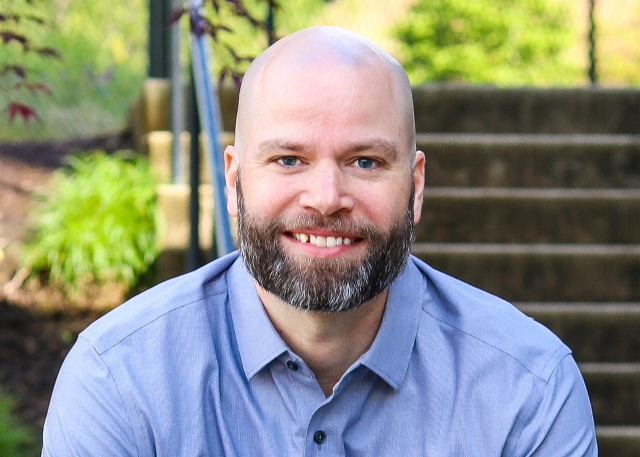
Narcissistic abuse recovery, anxiety, codependency, life transitions. CBT approach.

Narcissistic abuse recovery, trauma, depression, codependency. EMDR & Brainspotting trained.
These are the questions we hear most often from people considering therapy for narcissistic abuse recovery.
Read all FAQs →Narcissistic abuse is defined by patterns, not single incidents — ongoing devaluation, manipulation, gaslighting, and cycles of idealization and discard. Many people aren’t sure if what they experienced “counts.” A therapist can help you evaluate your experience without needing a formal diagnosis of the other person.
Yes. Many people find that the psychological effects of narcissistic abuse persist long after the relationship ends. Trauma bonding, self-doubt, and grief are all common parts of recovery. Therapy can help you understand why you feel stuck and begin to move forward.
Therapy can be valuable even if you haven’t left or aren’t ready to leave. A therapist can help you understand what’s happening, build clarity, and create a safety plan at whatever pace makes sense for you.
It varies significantly depending on the length and severity of the relationship, whether there is complex trauma involved, and your support system. Many people begin to feel meaningfully better within several months of consistent therapy, though deeper healing is a longer process.
Reaching out doesn’t commit you to anything. We’ll respond within one business day to answer questions and help you find the right therapist.