


Ending a toxic relationship is one of the most challenging emotional journeys one can undertake. Even when it’s clear that the relationship is harmful, the process of leaving can feel overwhelming and daunting. Toxic relationships are often complex and deeply entangled with our emotions, making it difficult to break free. Let’s explore some of the common obstacles people face when ending a toxic relationship, along with ways to overcome these challenges and move toward a healthier future.
Obstacles in Ending a Toxic Relationship
Emotional Attachment and Dependency
Toxic relationships often create cycles of emotional highs and lows, which can lead to a form of dependency. Even if the relationship causes pain, there may be moments that feel exhilarating or validating, reinforcing the bond. This is particularly common in relationships marked by emotional manipulation, where one partner may be made to feel as though they are not worthy of love outside the relationship. Breaking this dependency can be challenging, as it involves confronting a sense of loss and grieving the relationship, even if it is harmful.
Fear of Being Alone
Fear of loneliness is a significant barrier for many people leaving a toxic relationship. They might have lost confidence in their ability to find happiness on their own or worry about finding love again. The fear of an uncertain future can make staying in a familiar, even if toxic, situation feel safer. This sense of insecurity often prevents people from taking that final step toward ending things, even when they know it’s the right choice.
Self-Blame and Low Self-Esteem
Toxic relationships can erode a person’s self-esteem, making them question their worth. Many people blame themselves for the dysfunction, internalizing the negative comments or behaviors from their partner. This self-blame can lead to staying in the relationship, thinking that they’re at fault or that they can change to "fix" the relationship. Overcoming this mindset is essential to break free, but it can take time to undo the mental damage.

Isolation and Lack of Support
Often, people in toxic relationships become isolated, either because their partner discourages outside connections or because they feel too ashamed to reach out. Without a support system, leaving a relationship can seem nearly impossible. Isolation can reinforce the toxic dynamic, making the person feel as if they have no one else to turn to and no safe place to escape.
Ways to Overcome the Challenges
Build a Support System
Reaching out to friends, family, or even professional support can make a huge difference. Confiding in trusted individuals can help to validate your feelings and provide a sense of relief. Therapists, support groups, or online communities offer a safe space to share experiences, build resilience, and receive advice. Having someone to lean on can make the transition smoother and help prevent feelings of isolation.
Focus on Self-Care and Self-Worth
Rebuilding your self-esteem is essential. Start by engaging in self-care practices that boost your well-being, whether it’s exercising, journaling, meditating, or exploring new hobbies. Remind yourself of your strengths and qualities and celebrate small victories. Taking steps to nurture your sense of worth can make it easier to let go of toxic attachments.
Create a Plan and Take Gradual Steps
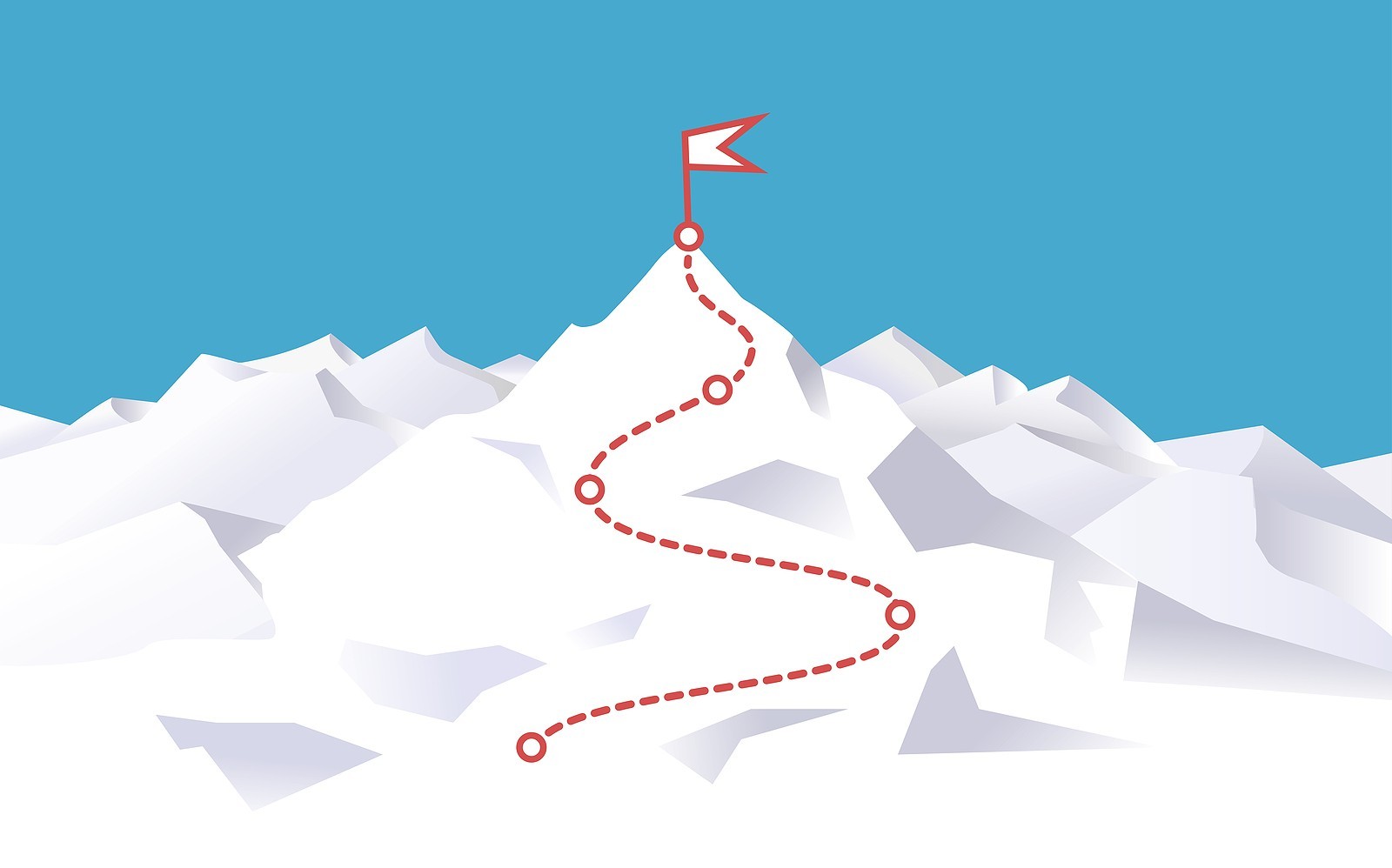
Planning the breakup process can help you feel more in control. Make a list of practical steps, such as organizing finances, finding a new place to stay, or setting up boundaries for minimal contact. If it feels too overwhelming to leave all at once, consider breaking it down into smaller, manageable actions. Gradually taking control over your life will reinforce that leaving is possible.
Seek Professional Guidance
If emotional challenges persist, consider seeking help from a mental health professional. Therapists can offer coping strategies tailored to your situation, helping you process the relationship and work through underlying emotional issues.
Start Relationship Counseling in Tigard, OR
Ending a toxic relationship isn’t easy, but with a strong support system, self-care, and a clear plan, it is possible to reclaim your life and move forward. Remember, leaving is an act of self-respect and courage – one that will pave the way to healthier relationships in the future. You can start your therapy journey with Discover Counseling by contacting our team of caring therapists today.
Other Services Offered with Discover Counseling
Relationship therapy isn't the only service that we offer. Our team is happy to offer a variety of in-person and online services to support you and your mental health. Discover Counseling offers a range of services to support your overall well-being including trauma recovery, anxiety management, life coaching, and postpartum support. We also offer specialized services such as teen therapy, Christian counseling, and support for premarital, couples, and marriage relationships. Explore our blog or resources page for additional support including career counseling and insights on your journey to emotional wellness and resilience.
Ready to take the next step?
We'd love to hear from you. Our therapists serve Tigard and the greater Portland area — in person and online across Oregon.
Request an Appointment