

You’ve probably heard the word dopamine as a buzzword in mental health whether you’re talking with your therapist or sharing a satirical mental health meme with your friends. Dopamine is one of the most important neurotransmitters in the brain, often referred to as the "feel-good" chemical. It plays a critical role in how we experience pleasure, motivation, and reward, making it an essential element in regulating our mood, behavior, and cognitive function. But what exactly is dopamine, and how does it impact our mental health?
What is Dopamine?
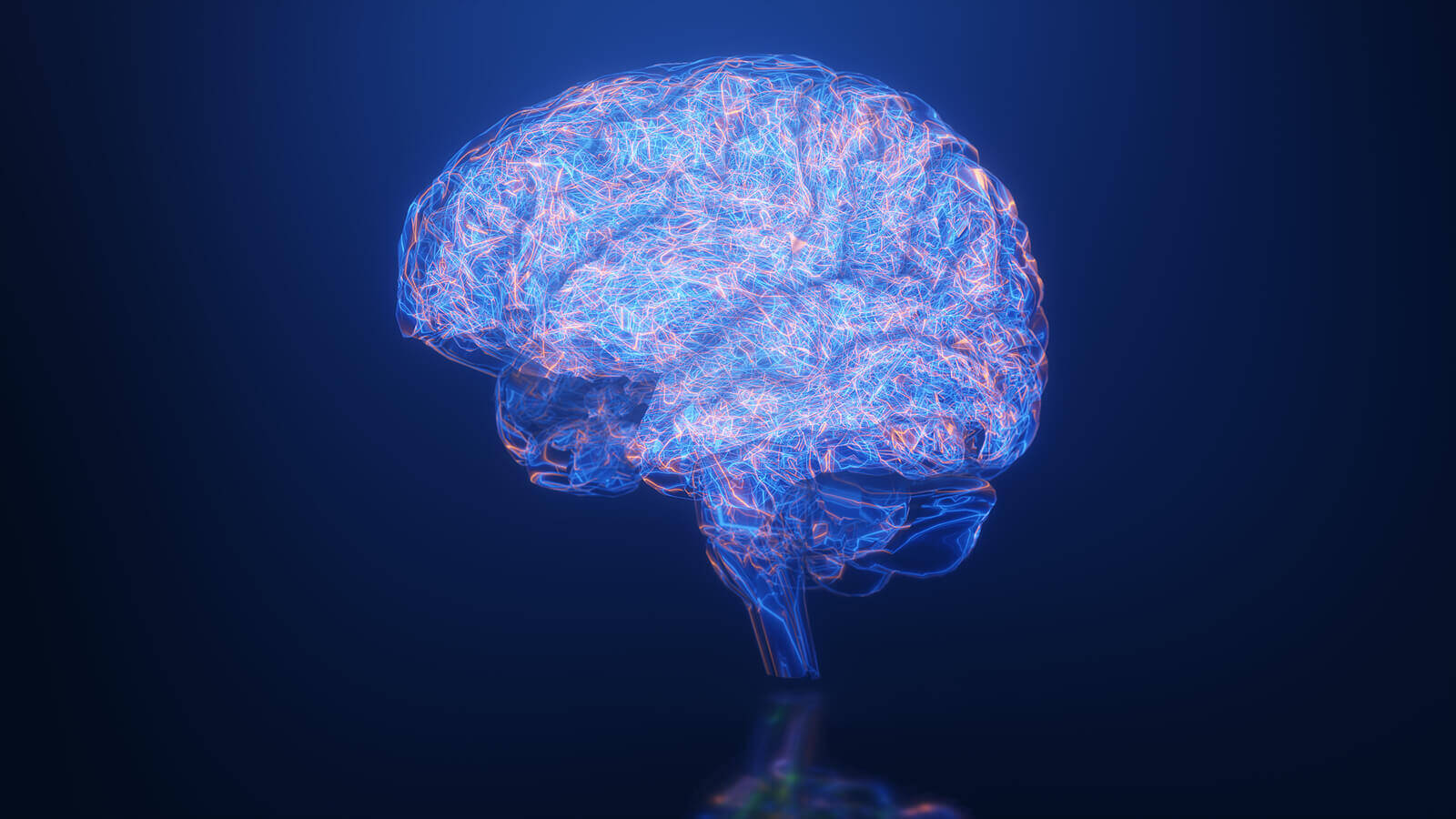
Dopamine is a chemical messenger (neurotransmitter) that is produced in several areas of the brain. It helps transmit signals between nerve cells and is integral to a variety of functions in the body, including movement, attention, learning, emotional responses, and the regulation of mood.
Dopamine is often linked with feelings of pleasure and satisfaction, but its influence is far more nuanced. It is heavily involved in our brain's reward system, reinforcing behaviors that we find enjoyable and encouraging us to repeat them. This function is crucial for activities that help sustain life such as eating and social interaction.
But what about serotonin? We often hear dopamine and serotonin discussed simultaneously when on the topic of mental health and brain chemicals. While both have overlap in some of their functions, serotonin is more closely linked to feelings of happiness, stability, and well-being. It regulates mood, sleep, appetite, and digestion. Serotonin helps maintain emotional balance and provides a sense of calm and contentment, making it crucial for long-term mood regulation. Meanwhile, as mentioned above, dopamine helps regulate mood via the reward system (pleasure and motivation) in the brain.
Dopamine’s Effect on the Brain and Mental Health
When dopamine is released in the brain, it signals a sense of accomplishment and reward. This burst of dopamine can create feelings of pleasure, focus, and motivation. The neurotransmitter is particularly active in areas of the brain associated with anticipation, learning, and decision-making.
Dopamine plays a key role in mental health, particularly in mood regulation. A healthy balance of dopamine promotes positive emotions and feelings of well-being. On the other hand, low dopamine levels can contribute to mental health issues such as depression, lack of motivation, and fatigue. Imbalances in dopamine are also associated with neuropsychiatric disorders such as Parkinson's disease, schizophrenia, and attention deficit hyperactivity disorder (ADHD).
How Dopamine Influences Our Behavior
Dopamine drives the pursuit of pleasure. When we do something enjoyable—whether it's eating our favorite food, achieving a goal, or engaging in a rewarding social interaction—the brain releases dopamine. This motivates us to repeat the activity that caused the dopamine release, creating what’s known as the “reward loop.”
While this system is vital for positive reinforcement, it can also contribute to unhealthy habits and addictions. Behaviors like gambling, overeating, and substance abuse can cause an excessive release of dopamine, tricking the brain into craving more of the same behavior, despite negative consequences.
Ways to Boost Dopamine Levels Naturally
While unhealthy habits can cause dopamine surges, there are several positive ways to facilitate dopamine production and take advantage of its benefits. Here are some strategies to boost dopamine levels naturally:
Exercise Regularly
Physical activity stimulates dopamine release. Regular exercise, especially aerobic workouts like running, swimming, or cycling, can increase dopamine levels, improve mood, and enhance mental clarity. Weight lifting and yoga can also contribute to this effect.
Get Adequate Sleep

Sleep deprivation can negatively impact dopamine receptors in the brain. Ensuring you get enough rest helps maintain the natural rhythm of dopamine production, supporting better mood and mental function.
Eat Dopamine-Boosting Foods
Certain nutrients are linked to dopamine production. Foods rich in tyrosine—an amino acid that the brain uses to produce dopamine—include lean meats, eggs, dairy, soy products, nuts, and beans. Omega-3 fatty acids found in fish and flaxseeds also support brain health.
Practice Meditation and Mindfulness
Meditation has been shown to increase dopamine production by promoting relaxation and reducing stress. Regular mindfulness practices help enhance mood and cognitive function, providing a sustainable dopamine boost.
Engage in Healthy Rewarding Activities
Setting achievable goals and pursuing activities you find fulfilling can naturally boost dopamine levels. Completing tasks, learning new skills, or simply engaging in hobbies you enjoy helps activate the brain’s reward system.
Dopamine is a powerful neurotransmitter that significantly affects mood, motivation, and mental health. It is different from serotonin but they work in tandem to support our overall “feel good” center in the brain. While imbalances in dopamine can occur for a variety of reasons that can lead to disorders such as depression or addiction that would benefit from receiving professional help from a therapist and/or medication, there are also many natural ways to facilitate and support its production. Through regular exercise, adequate sleep, proper nutrition, mindfulness, and engaging in enjoyable activities, we can harness the benefits of dopamine to improve our mental well-being. So, what comes to mind as ways that you can uniquely incorporate ways to infuse dopamine-boosting activities into your life?

Start Working With an Online Therapist in Oregon
If you're struggling with low motivation or mood and think dopamine imbalances might be affecting you, consider reaching out for professional support. Discover Counseling can help you explore personalized strategies for boosting your mental health. Contact our team of caring therapists today to take the first step toward a happier, more balanced life.
Other Services Offered with Discover Counseling
Our team is happy to offer a variety of in person and online services to support you and your mental health. Discover Counseling offers a range of services to support your overall well-being including trauma recovery, anxiety management, relationship therapy, life coaching, and postpartum support. We also offer specialized services such as teen therapy, Christian counseling, and support for premarital, couples, and marriage relationships. Explore our blog or resources page for additional support including career counseling and insights on your journey to emotional wellness and resilience.
Ready to take the next step?
We'd love to hear from you. Our therapists serve Tigard and the greater Portland area — in person and online across Oregon.
Request an Appointment