
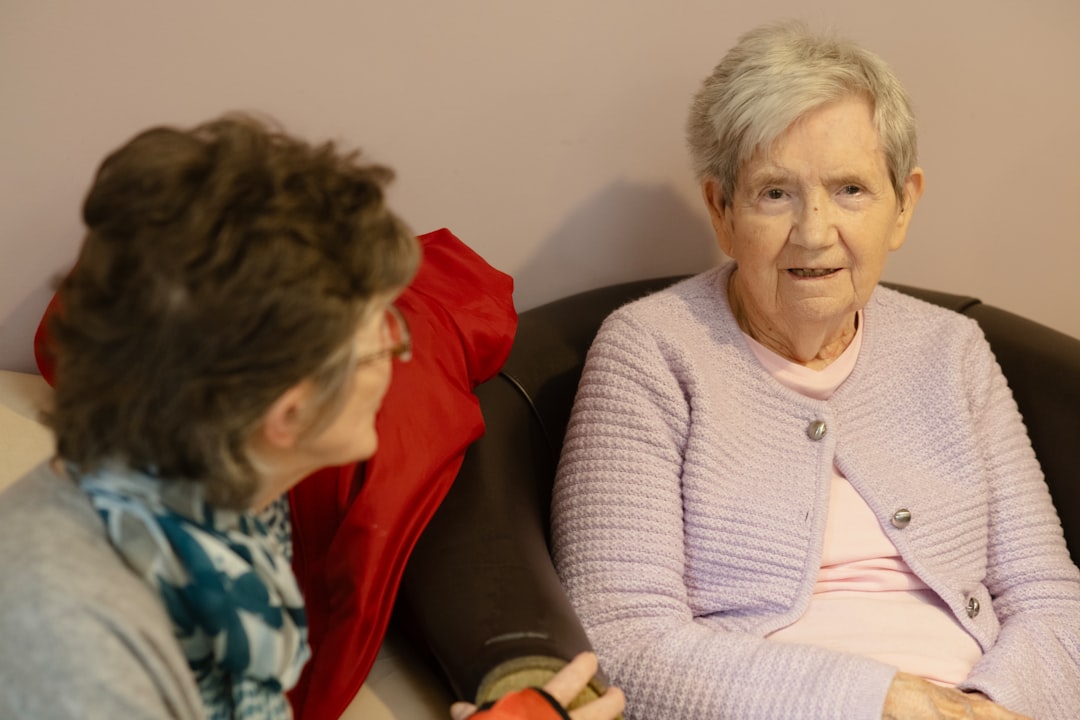
Caregiving gets talked about like a virtue, and in a lot of ways it is. But "you're so strong for taking care of them" doesn't pay for respite care, and it doesn't explain why you're exhausted in a way that a good night's sleep doesn't fix.
Why Caregiver Burnout Is Different
Regular burnout usually has an edge you can see coming, and often a end date you can plan around: the project ships, the busy season ends, you take the vacation. Caregiver burnout rarely works that way. If you're caring for an aging parent, a chronically ill spouse, or a child with significant needs, there's often no clear finish line in sight, and that changes everything about how the exhaustion sits in your body.
It's also complicated by guilt in a way most burnout isn't. Taking a break can feel like abandoning someone who depends on you. Feeling resentful, even for a moment, toward someone you love and didn't choose to resent can feel like proof that you're a bad person, rather than what it actually is: a completely normal response to an unsustainable load.
What It Actually Looks Like
Caregiver burnout doesn't always look like collapsing on the couch, unable to move. More often, it looks like snapping at your kids over something small because you have nothing left in the tank. It looks like going through the motions of caregiving with a kind of flat, disconnected numbness. It looks like resentment that shows up and then gets immediately buried under guilt for having felt it at all. Physically, it often shows up as headaches, trouble sleeping even when you're finally given the chance, or getting sick more often than you used to.
One of the quieter signs is losing track of who you are outside the caregiving role entirely. If you can't remember the last time someone asked how you were doing, and meant it, that's worth paying attention to.

Even five genuinely reclaimed minutes a day can start to shift things.
What Actually Helps
Scheduled respite, not "if there's time" respite. Rest that depends on a slow week never happens, because caregiving rarely has slow weeks. Blocking actual time, even briefly, and protecting it the way you'd protect a medical appointment, matters more than most people expect.
Naming the grief that's actually there. Caring for someone through a chronic illness or decline often includes a real, ongoing grief, grieving who they used to be, or the life you both expected to have, even while they're still here. That's sometimes called ambiguous loss, and naming it tends to bring real relief, because it turns out you weren't imagining it.
Getting support without waiting for a crisis. A lot of caregivers wait until they're completely depleted before considering therapy for themselves, as if needing help is only valid once you've hit bottom. It isn't. Support earlier in the process tends to help you sustain caregiving longer and with far less collateral damage to your own health.
You're Allowed to Need Support Too
If you're caregiving for someone with a chronic or serious illness, your wellbeing isn't a side note to theirs, it's part of what makes sustainable caregiving possible at all.
I work with adults navigating grief, medical trauma, and the particular kind of exhaustion that comes with caregiving. If this sounds like where you're at right now, you can read more about my approach or reach out. We can talk through whether support around chronic illness is a good fit for what you're carrying.
Ready to take the next step?
We'd love to hear from you. Our therapists serve Tigard and the greater Portland area — in person and online across Oregon.
Request an Appointment