I get it, sometimes life reaches a point when you find yourself thinking, “I don’t know what to do anymore,” or simply realizing that “something has to change.” A relationship may be struggling, the same conflicts keep repeating, or you may be facing a loss or transition you didn’t expect, or didn’t think would be so hard. You might find yourself becoming defensive, shutting down, feeling overwhelmed, or reacting in ways that don’t reflect the person you want to be.
I especially enjoy working with people navigating relationship challenges, major life transitions, and men’s concerns. I also work with adolescents, adults, couples, and families experiencing anxiety and stress, emotional reactivity, grief and loss, separation and divorce, parenting and family challenges, questions of identity and purpose, and concerns related to problematic pornography or sexual behavior.
My approach to counseling is relational, collaborative, and practical. I believe meaningful change often begins by slowing things down enough to understand what is happening beneath our thoughts, emotions, reactions, and relationship patterns. From there, we can develop healthier ways of responding, strengthen important relationships, clarify what matters most, and take meaningful steps toward the person you want to become.
My counseling approach draws primarily from Acceptance and Commitment Therapy (ACT) along with emotion-focused and cognitive-behavioral approaches, family systems, attachment principles, and mindfulness-based practices. Rather than focusing only on getting rid of difficult thoughts or emotions, I help clients develop greater emotional awareness, psychological flexibility, and the ability to respond intentionally when life becomes difficult.
Before entering the counseling profession, I spent more than two decades serving as a pastor, fifteen years as a nonprofit executive leader, and many years as an executive/leadership coach. Those experiences allowed me to walk alongside people through relationship struggles, leadership pressures, grief, conflict, family challenges, major transitions, and questions about meaning and purpose. They continue to shape my respect for each person’s unique story and my belief that meaningful growth is possible throughout every season of life.
For clients who desire it, I am comfortable thoughtfully integrating Christian faith and spirituality into the counseling process. Faith integration is always guided by the client’s values and preferences, and clients from any faith background—or no religious background—are welcome.
At the heart of my work is the belief that counseling is about more than asking, “What’s wrong?” It can also help us ask: “What needs strengthening right now?”
Sometimes that means strengthening how we manage emotions. Sometimes it means learning to communicate differently, rebuilding trust, clarifying our values, developing healthier boundaries, or rediscovering a sense of identity and direction.
You don’t need to have everything figured out before beginning. Counseling can provide a place to honestly explore what is happening, understand the patterns that may be keeping you stuck, and begin moving toward healthier relationships, greater emotional flexibility, clearer purpose, and greater well-being.
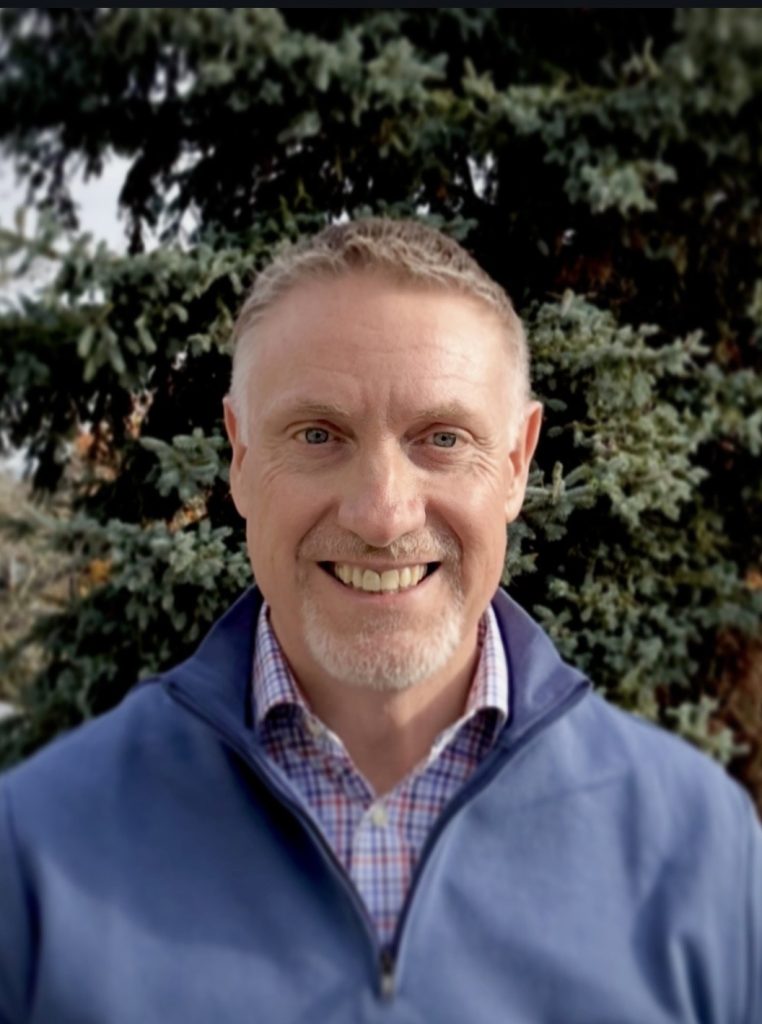
Dan Linrud is a master’s-level graduate counseling intern completing clinical training at Discover Counseling under the direct supervision of Aaron Potratz, LPC — an Oregon Board-approved clinical supervisor with over 18 years of experience. Intern sessions are offered at a significantly reduced fee.